Our Blog

Discover the story behind our success, the values that drive us, and the

Blogs
bake
Bakery đź“… Oct 20, 2025 Updated,đź“… Dec 2, 2025

Why Choosing the Right Flour Improves Consistency

Inconsistent dough performance affects rise, volume, texture, and workflow in commercial bakeries...

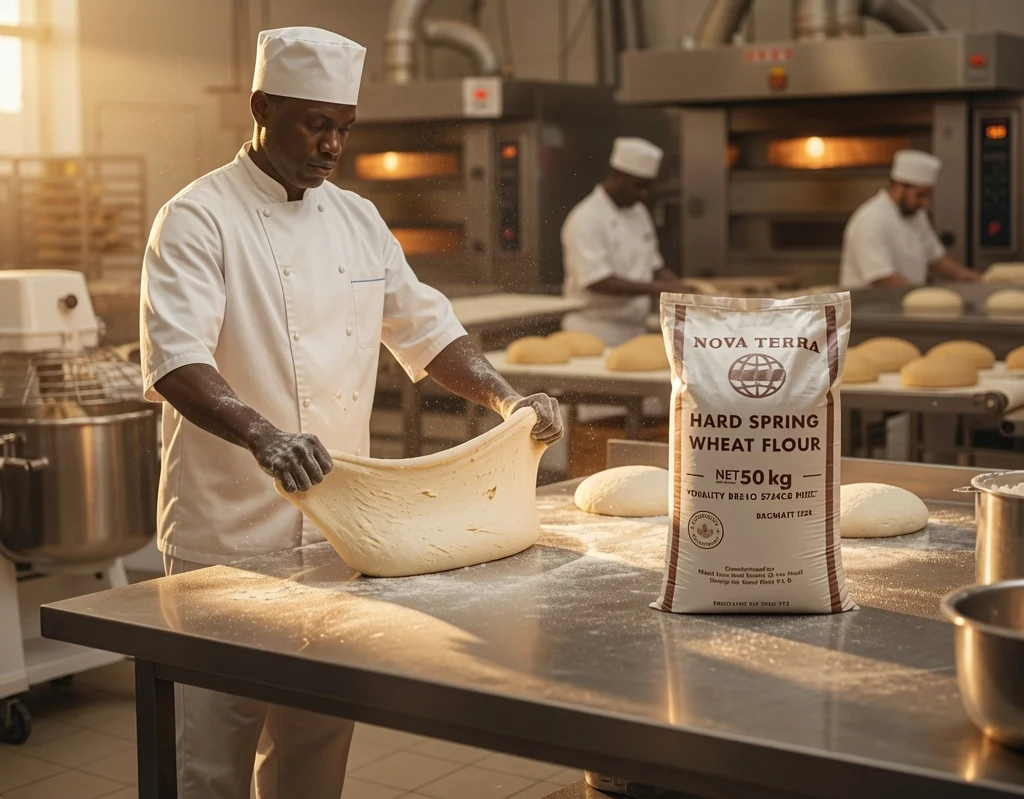
Bread baking is both an art and a science, and commercial bakeries know this better than anyone. Every day, you rely on dough that behaves the same way—whether you’re preparing 50 loaves or 5,000. But one of the most common issues bakeries face is inconsistent dough quality.

One day the bread rises perfectly, the next day it collapses or lacks the structure your customers expect. These small variations can affect texture, volume, and even production efficiency. For many bakeries in Ghana and beyond, the root of this inconsistency often comes down to the type of flour being used.

The quality of flour directly influences dough strength, elasticity, rise, and overall performance. When your bread doesn’t turn out the way it should, it’s usually not because the baker didn’t follow the recipe—it’s because the flour didn’t deliver.

That’s why understanding what goes into choosing the right flour for bread can make a huge difference. In this article, we’ll walk through the challenges commercial bakeries face with dough consistency and explore how selecting high-protein hard wheat flour—like Nova Terra—can help create dependable results in your daily production.

Why Dough Consistency Matters in Commercial Baking

For commercial bread bakeries, consistency isn’t just a preference—it’s a necessity. Customers expect the same quality every time they buy your product. This reliability also affects your brand reputation, supply chain planning, and production speed.

When dough behaves differently from batch to batch, several issues can arise:

  • Uneven rise and low bread volume
  • Poor texture and crumb structure
  • Dough that tears easily during kneading or shaping
  • Extra labor time trying to correct errors
  • Increased wastage

Even with skilled bakers, inconsistent flour makes the job harder. A predictable dough is what allows bakeries to maintain stable production, especially during peak hours and high-demand seasons.

Understanding What Makes Flour for Bread Truly Effective

Not all flour is created equal. Bread flour requires certain characteristics to support strong fermentation and a stable structure. Here are the key factors commercial bakeries should consider:

Protein Content

Higher protein means stronger gluten development. This directly affects how well your dough can trap gas during fermentation, which determines rise and volume.

Gluten Strength

Good gluten structure keeps dough elastic and flexible. If gluten is weak, the dough collapses easily.

Wheat Type

Hard spring wheat flour is known for producing stronger dough compared to soft wheat varieties.

Additive-Free and Quality-Controlled

A clean, high-quality flour without harmful additives like bromate supports better baking results and reduces health concerns.

What Causes Dough Inconsistency?

Commercial bakeries face several variables that can interfere with dough performance—many of them linked to flour quality:

  • Low or fluctuating protein levels
  • Weak gluten structure
  • Inconsistent grain sources
  • Flour moisture changes affecting water absorption
  • Additives that cause unpredictable reactions

When flour lacks the strength required for bread baking, it struggles during kneading and fermentation. Bakers then compensate by over-mixing, adding more water, or adjusting bake times—none of which fully solve the problem.

How High-Protein Hard Wheat Flour Helps

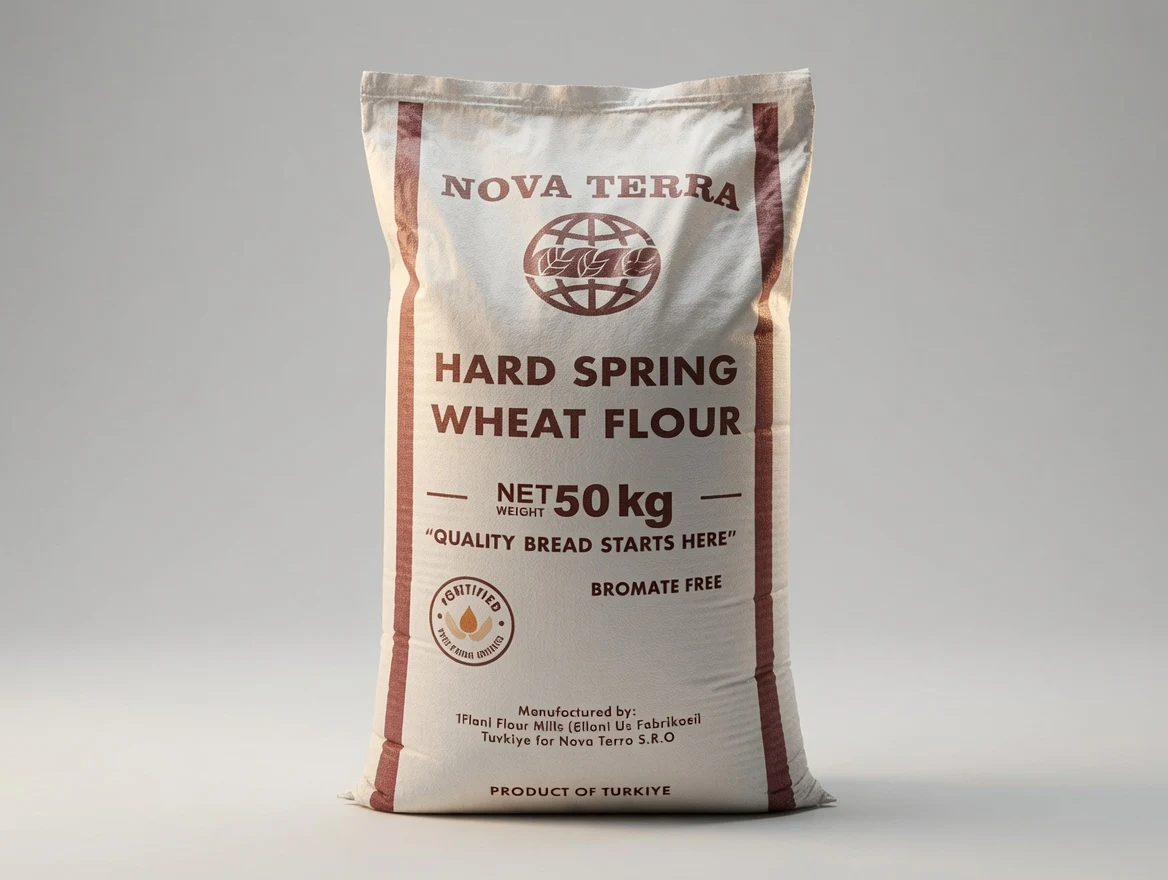
Using a strong, reliable flour for bread solves many of these challenges. Imported hard spring wheat flour—such as Nova Terra—naturally contains the protein and gluten strength needed for dependable dough development.

  • Steadier Dough Structure: High protein gives dough the backbone needed for mixing and fermentation.
  • Improved Rise: Strong gluten traps gas better, producing taller loaves.
  • Predictable Handling: Strong dough doesn’t tear easily and behaves consistently.
  • Better Texture: Customers enjoy a softer crumb, crisp crust, and uniform structure.

Practical Tips to Improve Dough Consistency

  1. Monitor Hydration Levels: Hard wheat flour absorbs more water, so adjust hydration when needed.
  2. Maintain Standard Mixing Times: Over- or under-mixing affects gluten development.
  3. Control Fermentation: Temperature and time greatly influence dough behavior.
  4. Use a Reliable Flour Source: Changing flour brands can trigger inconsistency.
  5. Keep Records: Tracking each batch helps identify problems early.

Why Many Bakeries Prefer Strength-Focused Flour

A dependable flour for bread doesn’t need to be complicated—it just needs to perform. Many bakeries choose hard spring wheat flour because it provides:

  • Strong gluten formation
  • Uniform dough texture
  • Stable fermentation
  • Cleaner, additive-free baking
  • Repeatable results in large-scale production

This type of flour acts as the foundation your bakery can rely on. Instead of adjusting recipes daily, your team can focus on efficiency and product quality.

Using Nova Terra as Part of a Reliable Baking Strategy

Flour plays a central role in how dough behaves. Nova Terra—an imported hard spring wheat flour—offers high protein and gluten strength that reduces inconsistency and supports daily production. Bakeries that prioritize strong dough handling, long fermentation, and dependable volume find this flour particularly effective.

Conclusion

Consistency is one of the biggest challenges in commercial bread baking, and much of it starts with selecting the right flour for bread. Choosing high-protein hard wheat flour dramatically improves dough strength, rise, and overall reliability.

Strong, additive-free flour like Nova Terra helps bakeries deliver the same great results every day. If you want to improve bread quality, streamline production, or reduce waste, upgrading your flour is a simple but powerful step forward.

Business
Bakery đź“… Nov 3, 2025 Updated đź“… Dec 1, 2025

How Hard Wheat Flour Strengthens Dough Structure

Understanding how gluten strength affects bread quality helps bakeries achieve predictable production...

For many professional and home bakers, achieving bakery-level bread quality remains a real challenge. Regular flour often lacks the strength, protein balance, and nutritional profile needed to produce consistent rise, structure, and flavor. Whether you’re running a commercial bakery, stretching dough in a pizza outlet, training culinary students, or manufacturing biscuits and noodles at scale, the flour you choose is the foundation of every recipe.

This is where Nova Terra Hard Wheat Flour changes the game. As a premium imported hard spring wheat flour, it offers the elasticity, strength, and natural performance needed to produce bread with professional texture and oven spring. It is fortified, bromate-free, and crafted for bakers who want standout results—without relying on additives or inconsistent blends.

In today’s competitive baking world, quality is everything. Customers expect better flavor, better structure, and better consistency. Bakers and food manufacturers want a flour that supports high-volume work but still delivers artisan-level outcomes. Home bakers want simple, dependable flour that produces professional results.

This article explores why Nova Terra Hard Wheat Flour is ideal for all skill levels, how it solves common problems like weak dough and poor rise, and practical ways to improve baking results—whether you work in a commercial kitchen or your home.

Understanding the Difference Hard Wheat Flour Makes

Hard wheat flour stands out for one reason: high natural protein. This protein forms gluten—the structure that gives dough strength, elasticity, and stability. Without enough gluten, dough collapses, bread lacks volume, and pizza bases tear during stretching.

Nova Terra Hard Wheat Flour is produced with one purpose: to create dependable dough that behaves consistently in every batch.

Why Protein Matters

Higher protein flour improves:

  • Dough strength for shaping
  • Rise and oven spring
  • Crumb texture and stability
  • Elasticity and extensibility
  • Durability during long fermentation

For professionals, this means predictable results and less product waste. For home bakers, it means bakery-quality bread without additives or advanced techniques.

The Real Problem: Ordinary Flour Creates Unpredictable Results

Many bakers struggle because regular flour doesn’t provide the strength needed for breadmaking. This results in:

  • Dough breaking during kneading
  • Flat or collapsed loaves
  • Poor fermentation tolerance
  • Dense or gummy crumb structure
  • Inconsistent rise
  • Difficulty shaping bread, pizza dough, or pastries

This is worst in high-volume environments where dough is handled repeatedly.

Nova Terra Hard Wheat Flour solves this problem directly.

The Solution: Fortified, Bromate-Free Hard Wheat Flour

Nova Terra offers:

  • High protein for strong gluten development
  • Fortification for enhanced nutrition
  • Zero bromates for clean, safe baking
  • High elasticity for shaping and stretching
  • Reliable rise and improved loaf volume
  • Stable performance across all dough types

The result is better flavor, texture, and overall consistency.

Why Nova Terra Works for Commercial Bread Bakeries

Commercial bread bakeries rely on predictable, strong dough every day. Nova Terra supports:

Strong Dough for High-Volume Mixing

The flour withstands intensive mixing and long fermentation with minimal tearing.

Better Rise and Crumb Structure

Loaves rise beautifully, creating lighter, more uniform bread.

Consistency Across Batches

Stable protein levels help dough behave similarly every day of the week.

Practical Tips for Bakeries

  • Use cool water to control dough temperature.
  • Keep mixing times consistent to develop gluten properly.
  • Use autolyse to enhance dough elasticity naturally.

How Pizza Outlets Benefit

Pizza dough requires strength and stretch—qualities missing in weaker flour. Nova Terra is ideal for:

Stretching Without Tearing

Strong gluten allows quick shaping even during busy hours.

Crisp Yet Chewy Crusts

Hard wheat flour helps produce the perfect crust texture.

Great for Long Fermentation

The flour maintains structure for 24–48 hour fermented doughs.

Practical Tips for Pizza Kitchens

  • Cold ferment dough for deeper flavor.
  • Oil dough balls lightly for elasticity.
  • Allow dough to relax fully before stretching.

Supporting Training Institutions & Baking Academies

Culinary students need a forgiving and durable flour.

Why Nova Terra Works for Training

  • Withstands extra handling from beginners.
  • Provides predictable results for learning fundamentals.
  • Allows visible learning through gluten and shaping tests.

Tips for Baking Schools

  • Teach hydration adjustments for high-protein flour.
  • Demonstrate gluten development with rest periods.
  • Use Nova Terra for artisan, yeast, and pizza dough lessons.

Flour for Industrial Food Manufacturing

Factories require consistency for automated systems. Nova Terra supports:

  • High-Speed Production — Dough holds form and withstands machinery.
  • Reliable Texture — Consistency in biscuits, noodles, pastries, etc.
  • Reduced Waste — Strong dough means fewer rejects.

Tips for Factories

  • Monitor dough temperature to protect gluten.
  • Keep hydration ratios consistent.
  • Perform routine elasticity tests to avoid stoppages.

How Nova Terra Helps Home Bakers

Home bakers can achieve professional results too.

  • Better Rise Without Additives
  • Easier Kneading and Shaping
  • Superior Flavor and Texture

Tips for Home Bakers

  • Use a kitchen scale for accuracy.
  • Knead until the dough is smooth and stretchy.
  • Let dough rise fully before baking.
  • Use a preheated stone or steel for better crust.

Best Practices for All Users

  • Measure ingredients carefully.
  • Adjust hydration—hard wheat flour absorbs more water.
  • Allow dough to rest for relaxed gluten.
  • Use the windowpane test to check gluten strength.
  • Store flour properly in a cool, dry space.

Conclusion

Achieving bakery-level bread quality doesn’t have to be difficult—especially when you start with the right flour. Nova Terra Hard Wheat Flour gives professionals, students, manufacturers, and home bakers the strength, elasticity, and consistency needed for reliable results.

With its fortified, bromate-free formulation, it supports healthier baking without compromising performance. Whether you’re shaping loaves, stretching pizza dough, training new bakers, or producing food at scale, choosing a high-protein imported hard spring wheat flour transforms results.

Explore more baking resources, techniques, and guides to elevate every recipe and every kitchen.

`,
Design
Bakery đź“… Nov 19, 2025 Updated đź“… Dec 12, 2025

Why Nova Terra Hard Spring Wheat Flour Is the Key to Baking Bakery-Quality Bread at Home and in Professional Kitchens

Understanding how gluten strength affects bread quality helps bakeries achieve predictable production...

For many professional and home bakers, achieving bakery-level bread quality remains a real challenge. Regular flour often lacks the strength, protein balance, and nutritional profile needed to produce consistent rise, structure, and flavor. Whether you’re running a commercial bakery, stretching dough in a pizza outlet, training students in a culinary academy, or manufacturing biscuits and noodles at scale, the flour you choose is the foundation of every recipe.

This is where Nova Terra Hard Wheat Flour changes the game. As a premium imported hard spring wheat flour, it offers the elasticity, strength, and natural performance needed to create bread with professional texture and oven spring. It is fortified, bromate-free, and crafted for those who want standout results without relying on additives or inconsistent blends.

In today’s competitive baking world, quality is everything. Customers expect better flavor, better structure, and better consistency. Bakers and food makers want a flour that supports high-volume work but still provides artisan-level outcomes. Home bakers want a simple, reliable way to make bread that tastes like it came from a master bakery.

This article explores why Nova Terra Hard Wheat Flour is ideal for both professionals and aspiring bakers, how it solves common problems like weak dough and poor rise, and practical ways to improve your results—whether you work in a commercial kitchen or your home.

Understanding the Difference Hard Wheat Flour Makes

Hard wheat flour stands out for one major reason: high natural protein. This protein forms gluten—the network responsible for dough strength, elasticity, and structure. Without enough gluten, dough collapses, bread lacks volume, and pizza dough tears during stretching.

Nova Terra Hard Wheat Flour is made with one purpose in mind: to create dependable dough that behaves consistently across every batch.

Why Protein Matters

Higher protein flour improves:

  • Dough strength for shaping
  • Rise and oven spring
  • Crumb texture and stability
  • Elasticity and extensibility
  • Durability during long fermentation

Professionals enjoy predictable results and reduced waste, while home bakers can achieve bakery-quality outcomes without special additives or advanced techniques.

The Real Problem: Ordinary Flour Creates Unpredictable Results

Many bakers struggle because regular flour simply lacks the strength needed for breadmaking. This causes:

  • Dough breaking during kneading
  • Flat or collapsed loaves
  • Poor fermentation tolerance
  • Dense or gummy crumb structure
  • Inconsistent rise
  • Difficulty shaping bread, pizza bases, or pastries

These issues are even worse in high-volume environments where dough is handled repeatedly. Inconsistent flour disrupts workflow and production consistency.

Nova Terra Hard Wheat Flour eliminates this issue at the source.

The Solution: Fortified, Bromate-Free Hard Wheat Flour

Nova Terra delivers professional performance with:

  • High protein for strong gluten development
  • Fortification for enhanced nutrition
  • Zero bromates for clean, safe baking
  • High elasticity for shaping and stretching
  • Consistent rise and excellent volume
  • Stable performance across all dough types

This combination creates superior texture, structure, and flavor.

Why Nova Terra Works for Commercial Bread Bakeries

Commercial bakeries rely on dough that performs flawlessly every day. Nova Terra supports:

Strong Dough for High-Volume Mixing

The flour withstands long fermentation and intensive mixing with minimal tearing.

Better Rise and Crumb Structure

Loaves become lighter, taller, and more uniform.

Consistency Across Batches

Stable protein ensures dough behaves the same from Monday to Saturday.

Practical Tips for Bakeries

  • Use cool water to manage dough temperature.
  • Maintain consistent mixing times for gluten development.
  • Try an autolyse step to enhance dough elasticity.

How Pizza Outlets Benefit

Pizza dough demands strength and stretch—qualities missing in standard flour. Nova Terra enhances:

Stretching Without Tearing

Strong gluten supports fast shaping during peak hours.

Crisp Yet Chewy Crusts

The perfect balance: crisp exterior, soft interior.

Long Fermentation Stability

Great for 24–48 hour fermented doughs.

Pizza Kitchen Tips

  • Use cold fermentation for deeper flavor.
  • Lightly oil dough balls to maintain elasticity.
  • Let dough relax fully before stretching.

Supporting Baking Schools & Training Institutions

Culinary students need reliable dough for learning. Nova Terra provides:

  • Strength to withstand extra handling
  • Consistency for teaching fundamentals
  • Clear gluten development for windowpane and stretch tests

Training Tips

  • Teach hydration adjustments for high-protein flour.
  • Use rest periods to demonstrate gluten relaxation.
  • Apply this flour to artisan, yeast, and pizza dough lessons.

Ideal for Industrial Food Manufacturers

Factories need predictable dough for automation. Nova Terra delivers:

  • High-Speed Production: Dough maintains shape and stability.
  • Reliable Product Texture: Ideal for noodles, biscuits, pastries, etc.
  • Reduced Waste: Fewer rejects and irregular shapes.

Factory Tips

  • Monitor dough temperature during mixing.
  • Maintain consistent hydration ratios.
  • Test elasticity regularly to prevent stoppages.

How Nova Terra Helps Home Bakers

Home bakers can finally achieve bakery-quality results.

  • Better rise without enhancers
  • Easier kneading with smoother dough
  • Superior flavor & texture with crisp crusts and open crumbs

Home Baking Tips

  • Use a kitchen scale for precise measurements.
  • Knead until smooth and stretchy.
  • Let dough rise fully for maximum oven spring.
  • Bake on a preheated stone or steel.

Best Practices for All Bakers

  • Measure ingredients carefully.
  • Adjust hydration—hard wheat flour absorbs more water.
  • Allow proper rest for gluten relaxation.
  • Use the windowpane test to check gluten strength.
  • Store flour in cool, dry conditions.

Conclusion

Achieving bakery-level bread quality doesn’t have to be difficult—especially when you start with the right flour. Nova Terra Hard Wheat Flour gives professionals, students, manufacturers, and home bakers the strength, elasticity, and consistency needed for reliable results.

Its fortified, bromate-free formulation supports healthier baking without sacrificing performance. Whether you’re shaping loaves, stretching pizza dough, teaching students, or managing large-scale production, choosing a high-protein imported hard spring wheat flour transforms your workflow and final products.

Explore more baking resources and techniques to bring bakery-quality results into every kitchen.

Marketing
Bakery đź“… Dec 19, 2025

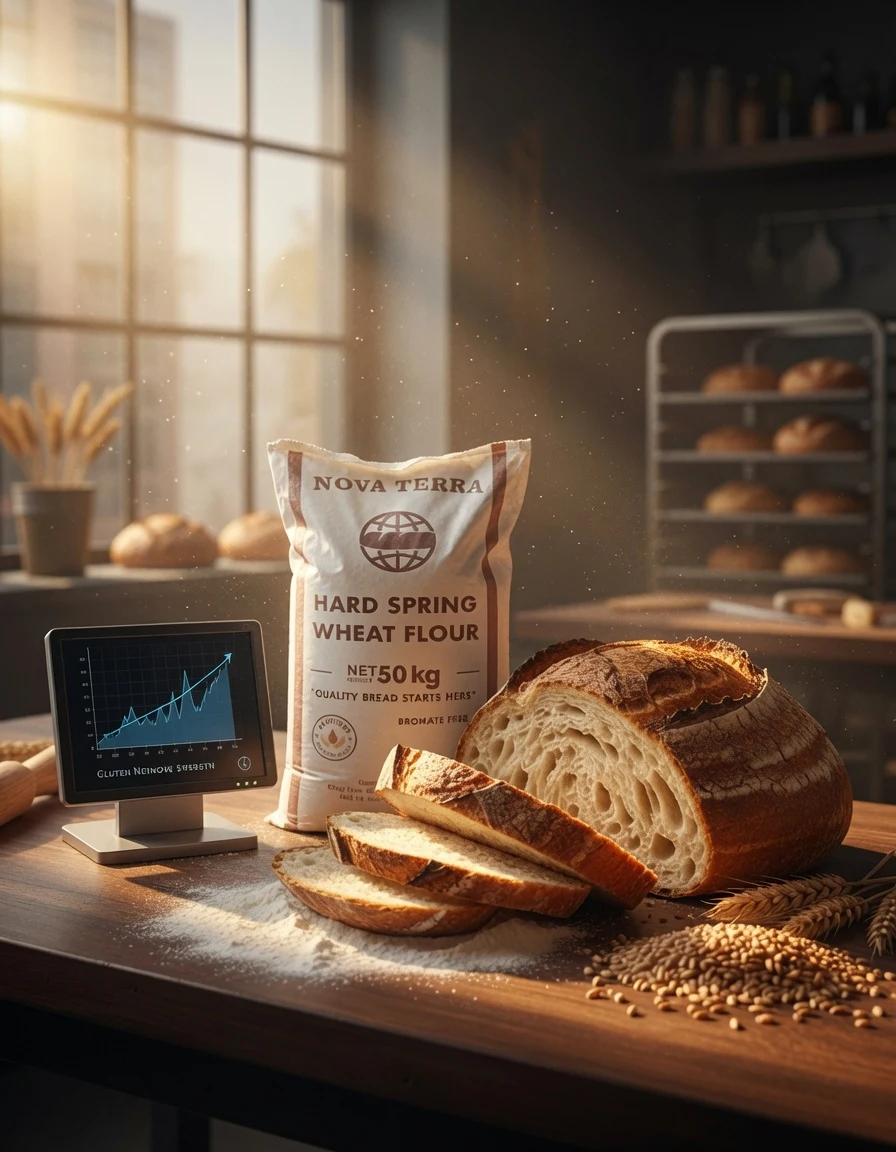
The Best Bread Flour in Ghana: Why Bakers Choose Hard Spring Wheat Flour for Better Results

Protein percentage determines dough elasticity, gas retention, and overall bread performance...

Bread-making is both an art and a science, and every baker in Ghana—whether running a commercial bakery, pizza outlet, culinary school, or industrial food plant—knows that great results start with the right flour. Yet many professionals and home enthusiasts struggle to find a flour that consistently produces strong dough, dependable rise, and satisfying texture. Using regular flour often leads to weak structure, unpredictable outcomes, or bread that simply doesn’t meet the expected quality.

This challenge is increasingly common as Ghana’s baking industry grows, demand rises, and competition requires more consistent results. When your bread or dough products must perform daily—and in high volumes—the type of flour you choose makes a significant difference. That’s why imported hard spring wheat flour has become a go-to solution for bakers who want predictable strength, superior elasticity, and dependable dough performance.

In this article, you’ll learn why selecting the right bread flour in Ghana matters, how the qualities of hard spring wheat flour improve baking outcomes, and how Nova Terra fits naturally into high-performance kitchens without relying on additives like bromate. Whether you’re baking bread, stretching pizza dough, or training students, these insights will help you elevate product quality with confidence.

Why Choosing the Right Bread Flour in Ghana Matters

Choosing the right flour directly affects:

  • Dough strength
  • Texture and crumb structure
  • Rise and fermentation response
  • Oven spring
  • Consistency during high-volume operations

For bakeries and food producers in Ghana, local climate conditions, humidity, production pressure, and rising customer expectations require a flour that delivers predictable results.

Using general-purpose flour often causes:

  • Dough tearing during shaping
  • Reduced rise due to low protein
  • Batch-to-batch inconsistency
  • Poor oven performance
  • Weak crumb structure

This is why more professionals are switching to specialty hard wheat flour.

What Makes Hard Spring Wheat Flour Different?

Hard spring wheat flour stands out because of its naturally high protein and strong gluten. These two characteristics create dough that is elastic, resilient, and capable of holding gas during fermentation.

Key Advantages

  • Higher protein content for stronger gluten networks
  • Superior elasticity for shaping and stretching
  • Better rise and oven spring
  • Ideal for long fermentation
  • Consistent structure that prevents collapse

This flour type is particularly valuable in commercial bakeries, pizza outlets, biscuit factories, noodle plants, and pastry environments.

Understanding the Problem: Why Many Bakers Struggle With Dough Quality

Across Ghana, many bakers experience:

  • Bread that doesn’t rise properly
  • Dense or uneven crumb structure
  • Day-to-day inconsistency
  • Dough that breaks when stretched
  • Difficulty achieving bakery-level texture at home

Most of these problems come from using flour with low or inconsistent protein levels—no amount of skill can fully compensate for weak flour.

How Hard Spring Wheat Flour Solves These Baking Challenges

Hard spring wheat flour improves results by offering:

  • Smoother, stronger dough handling
  • Elasticity that supports shaping without tearing
  • Better gas retention for higher, fluffier bread
  • Stable fermentation for reliable daily output
  • Enhanced flavor and texture

These benefits make it easier to achieve consistent, bakery-level results in bread, pizza, pastries, noodles, and biscuits.

Why Many Bakers in Ghana Choose Nova Terra Hard Wheat Flour

While this article focuses on flour education, Nova Terra serves as a strong example of a high-quality imported hard spring wheat flour with:

  • Hard spring wheat base
  • High protein levels
  • Bromate-free formulation
  • Fortification for added nutritional value
  • Consistent milling quality
  • Versatility across bread, pizza, pastries, noodles, and biscuits

Its performance aligns well with Ghana’s commercial and training environments.

How Commercial Bread Bakeries Benefit from Hard Spring Wheat Flour

This flour ensures:

  • Dough that withstands long mixing times
  • Strong gluten networks for large oven batches
  • Reliable rise for soft, voluminous loaves
  • Reduced product waste

Practical Tips

  • Control hydration—high-protein flour absorbs more water
  • Allow longer rest periods to relax gluten
  • Use long fermentation for richer flavor

Why Pizza Outlets Prefer Hard Wheat Flour

Pizza dough requires both strength and flexibility. Hard wheat flour offers:

  • Stretching without tearing
  • Soft, airy crust development
  • Stable dough during refrigeration
  • Crisp yet tender texture in high-heat ovens

Training Institutions & Culinary Schools

This flour helps students learn essential baking and dough-handling skills with confidence:

  • Clear gluten development
  • Easier shaping and stretching
  • Predictable fermentation outcomes
  • Reliable results for assessment

Industrial Food Manufacturers

Hard spring wheat flour supports large-scale production by enabling:

  • Consistent dough texture for machine processing
  • Smooth performance in automated systems
  • Strength for high-speed production
  • Reduced breakage and waste

How to Choose the Right Bread Flour in Ghana

Consider these factors:

  • Protein Content: Higher is better for bread, pizza, noodles.
  • Gluten Strength: Determines elasticity.
  • Additives: Bromate-free supports healthier baking.
  • Origin: Hard spring wheat regions produce superior flour.
  • Consistency: Important for large-scale operations.

Simple Ways to Improve Results With Hard Wheat Flour

  • Increase hydration gradually
  • Use autolyse for easier gluten development
  • Control proofing times—especially in warm Ghanaian climates
  • Test small batches to understand absorption
  • Use steam in the oven for better crust and rise

Conclusion

Finding the best bread flour in Ghana is essential for producing bakery-quality results at home, in commercial bakeries, or in industrial manufacturing. Hard spring wheat flour offers the protein, gluten strength, and consistency needed to solve common dough challenges and improve bread quality. By understanding what makes flour perform well and selecting options that match your goals, you can achieve better rise, structure, and taste every time.

If you're ready to explore better flour choices or learn more about improving your baking results, continue browsing our guides and educational resources designed to help you bake with confidence.

Talk To Us